Bone Grafting for Dental Implants: Procedure, Healing and Benefits
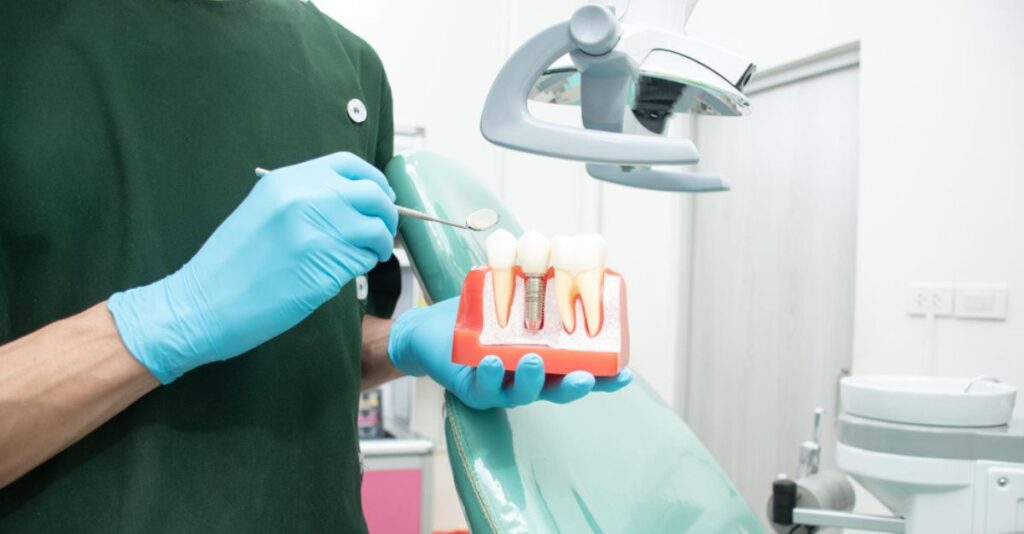
Many patients who lose a tooth assume a dental implant is no longer possible because the jaw may not have enough bone to support it.
Over time, the bone around a missing tooth can gradually shrink, especially after years of tooth loss, gum disease or denture use.
Bone grafting helps rebuild the weakened area and create stronger support for a dental implant.
E L Lim Dental team in Sri Petaling assess patients carefully to determine whether a bone graft for dental implant is needed before starting their treatment.
What Is a Bone Graft for a Dental Implant?

A bone graft involves placing bone material in the affected area to improve the quality and volume of the jawbone before implant placement. The added material acts as a framework for new bone growth, creating a stronger site for the implant post to integrate with over time.
Dr Elaine Lim and our team imaging to evaluate the condition of the jaw before recommending bone grafting.
This detailed assessment helps determine the most suitable treatment approach based on the location of the missing tooth, existing bone condition and overall implant requirements.
Book a jawbone assessment with E.L. Lim Dental to find out whether you need a graft before your implant.
Key Benefits of Bone Grafting Before Dental Implant Treatment

Grafting first gives the implant a wider margin for long-term success and protects the rest of the jaw.
- Restores enough bone for the implant post to sit securely, lowering the risk of movement or failure.
- Preserves facial structure by preventing the sunken look of progressive jawbone loss.
- Supports a longer-lasting result, since implants in properly grafted bone rarely need revision.
- Turns patients once told they “don’t have enough bone” into implant candidates again.
4 Types of Bone Grafts Used Before Implant Placement

Four graft materials cover almost every case treated at E.L. Lim Dental Surgery, and each suits a different degree of bone loss.
|
Graft Type |
Source |
Best Suited For |
|
Autograft |
Patient’s own bone (chin, jaw or hip) |
Larger defects needing fast, reliable integration |
|
Allograft |
Donor bone from a certified tissue bank |
Moderate rebuilding without a second surgical site |
|
Xenograft |
Purified bovine bone mineral |
Sinus lifts and ridge preservation |
|
Alloplast |
Synthetic hydroxyapatite or tricalcium phosphate |
Patients avoiding donor or animal-derived material |
We select the material during your consultation based on defect size, medical history and how soon you want the implant placed.
Step-by-Step Procedure for Bone Grafting Dental Implant
Bone grafting requires careful planning to create a stable foundation for dental implant placement. We guide patients through the following stages of the procedure
- Consultation and 3D imaging: E.L. Lim Dental uses cone-beam CT scanning to measure bone width, height and density.
- Local anaesthesia: The area is fully numbed, so patients feel pressure rather than pain.
- Site preparation: For a sinus lift, the dentist gently raises the sinus membrane to make space for graft material.
- Graft placement: Bone material fills the defect and is usually covered with a collagen membrane while it matures.
- Closure and healing: Sutures close the site, and the graft is left undisturbed for three to nine months before implant placement.
Healing Timeline: What to Expect After a Bone Graft

One of the most common questions patients ask is how long they need to wait before their dental implant can be placed.
The healing period throughout the tooth implant process timeline depends on the amount of bone that needs to be rebuilt and the type of graft performed.
Smaller grafting procedures may heal within three to four months, while more complex cases such as ridge augmentation or sinus lift procedures may require several months of healing before the bone is ready for implant placement.
During this time, the graft material gradually integrates with the existing jawbone to create a stronger foundation.
E.L. Lim Dental monitors healing progress through scheduled reviews to determine when the grafted area is ready for the next stage of dental implant treatment.
Patients are also advised to maintain good oral hygiene and avoid smoking, as these factors can affect the healing process and overall treatment outcome.
Find out what to eat after dental implant treatment to ensure the healing process goes smoothly.
Arrange a bone density scan with E.L. Lim Dental today to get an accurate healing timeline for your own case.
How E.L. Lim Dental Prepares Your Jaw for Dental Implants
E.L. Lim Dental manages the case from bone assessment and grafting through to implant placement, giving patients a clearer and more coordinated treatment journey.
We use 3D imaging to assess bone volume, the condition of the implant site and the amount of grafting required before recommending treatment.
This allows patients considering a dental implant in Malaysia to receive a plan based on their actual jaw condition rather than a standard approach.
We can assess whether grafting may create a suitable foundation for teeth implants, especially for those who have been told they have insufficient bone.
Follow-up reviews are also scheduled throughout healing so the team can monitor progress and determine when the area is ready for the next stage of treatment.
Take the Next Step Towards Dental Implant Treatment at E.L. Lim Dental
Having insufficient bone does not always mean dental implants are out of reach. With proper assessment and bone grafting when needed, the implant site can be prepared to provide better support for a long-term tooth replacement solution.
Delaying treatment may allow further bone loss to affect future implant options.
A consultation at E.L. Lim Dental Surgery allows you to understand your current bone condition, available treatment options and the next steps towards restoring your missing teeth.
Schedule a consultation with E.L. Lim Dental today to assess your bone condition, find out whether bone grafting is required and explore your personalised dental implant treatment plan.
Frequently Asked Questions About Bone Grafting for Dental Implants
1. Do I need a bone graft before getting a dental implant?
A 3D CT scan during your consultation at E.L. Lim Dental is what determines whether we recommend a graft before your implant.
2. Is the bone graft procedure painful?
The bone graft procedure at E.L. Lim Dental is carried out under local anaesthesia, so patients feel pressure rather than pain during the appointment.
3. How long does it take to heal from a bone graft before implant placement?
Healing at E.L. Lim Dental ranges from three months for a small socket graft to up to nine months for a sinus lift, confirmed by follow-up imaging.
4. What type of bone graft material will I need?
We choose between autograft, allograft, xenograft and synthetic alloplast material based on your bone defect and medical history.
5. Can smokers still get a bone graft for a dental implant?
Smoking slows bone healing, so the team at E.L. Lim Dental recommends a smoke-free recovery period to protect your graft.
6. Does bone grafting guarantee my dental implant will succeed?
A bone graft substantially improves implant stability, and E.L. Lim Dental monitors healing with follow-up scans to support a lasting result.

Dr Elaine Lim
https://drelainelim.com/Dr Elaine Lim is a dentist and educator with over 14 years of experience as dentist and 10 years as educator. She focuses on oral implantology, maxillary sinus grafting, hard and soft tissue augmentation, as well as fixed and removable prosthodontics