Tooth Implant Process Timeline: Healing Stages & How to Heal Faster After Dental Implant
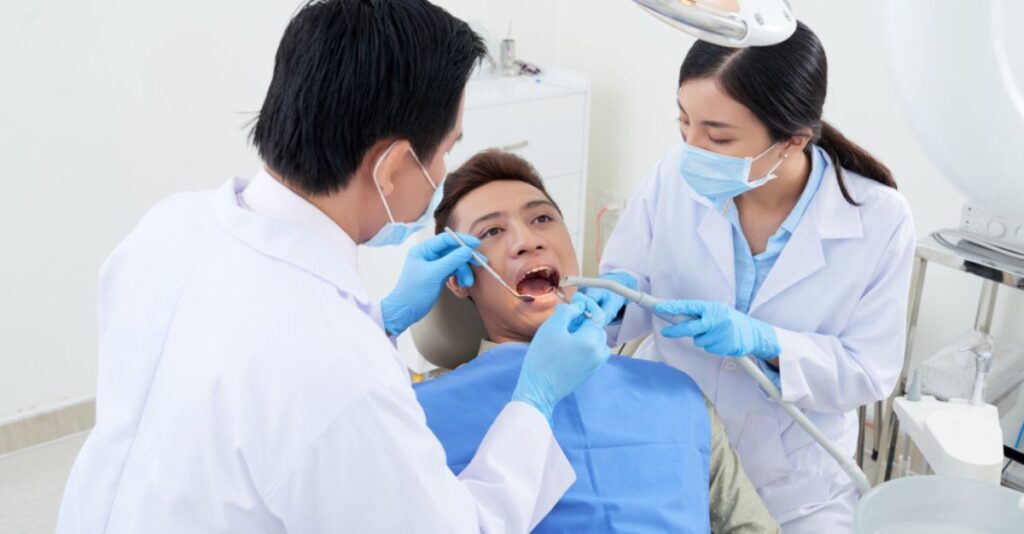
Dental implant recovery happens in stages, with swelling usually easing first, followed by gradual improvement in eating comfort as the implant heals and becomes stable enough for the final crown.
Patients often want to know how long each stage will take and what they can expect during recovery. A clear tooth implant process timeline suggested by E L Lim Dental implant dental clinic helps answer these questions before treatment begins.
Dr Elaine Lim and Dr Elben Lim guide patients through each stage of healing with practical aftercare advice, follow-up reviews and clear instructions on what to expect before the final crown is placed.
Dental Implant Healing Stages at a Glance
Dental implant recovery generally progresses through five key stages, each involving different changes to the gums, jawbone and implant stability.
| Stage | Timeframe | What Happens | Your Focus |
| 1. Initial healing | Day 1 to 3 | Mild swelling and tenderness as the gum begins to close | Rest, ice packs, soft foods |
| 2. Early gum recovery | Week 1 to 2 | Gum tissue firms up, stitches dissolve or get removed | Gentle brushing, salt water rinses |
| 3. Osseointegration | Week 3 to Month 3 | Jawbone cells grow onto the implant surface | Protect the site, attend review visits |
| 4. Bone integration completes | Month 3 to 6 | Implant becomes a stable, load bearing root | Confirm stability through a CBCT scan |
| 5. Crown placement | Final appointment | Custom crown fitted, full bite function restored | Resume normal eating and oral care |
What Happens After a Dental Implant Is Placed?

Dental implant treatment involves placing a small implant into the jawbone to replace the root of a missing tooth. After the procedure, the body begins a natural healing process as the surrounding tissue stabilises around the implant.
During this period, the implant gradually becomes secure within the jawbone. This process allows the implant to function as a stable foundation for the replacement tooth that will be placed later.
This also applies for those who are considering getting a dental implant full arch in Malaysia, which involves a broader treatment and recovery process.
Although healing happens beneath the surface, regular monitoring helps ensure everything progresses smoothly.
Speak with the team at E L Lim Dental to discuss your dental implant treatment plan and receive personalised guidance on the expected healing and recovery process.
Dental Implant Healing Stages: What Happens During Recovery

The body heals gradually through several dental implant healing stages, each playing a role in helping the implant become stable and ready to support a replacement tooth.
The following sections outline the phases many patients experience after dental implant treatment.
Stage 1: Early Healing in the First 24–72 Hours
The first few days after implant placement focus on allowing the surgical area to settle. Mild swelling or slight discomfort may occur as the body begins the early healing process.
Soft foods are usually recommended during this period, and pressure on the implant area should be avoided. Following the dentist’s aftercare instructions and keeping the mouth clean can help the area stabilise and support smoother recovery in the days ahead.
Stage 2: Week 1–2 After Implant Placement
During the second stage of healing, the gum tissue continues to recover around the implant site. Any swelling or discomfort from the procedure usually becomes much milder during this period.
In some cases, stitches may be removed during a follow-up visit. Many individuals are able to return to their normal daily routines while still being mindful of the implant area.
Regular dental checkups remain important at this stage, as they allow the dentist to check that the healing process is progressing well.
Stage 3: Month 1–3 After Implant Placement
During this stage, the implant continues to stabilise within the jawbone. Most individuals feel comfortable by this point, as the gum tissue has largely recovered from the procedure.
Although the healing process is not always visible, the jawbone is gradually adapting to the implant. This stage helps prepare the implant to support the final replacement tooth.
Individuals are usually advised to avoid placing excessive pressure on the implant area, such as chewing hard foods or biting directly on the treated side, while healing continues.
Regular reviews allow the dentist to confirm that the implant remains stable before moving to the next stage of treatment.
Stage 4: Final Restoration
Once the implant has fully integrated with the jawbone, the final restoration stage usually takes around 1 to 2 weeks. During this time, impressions or digital scans are taken to prepare the final crown before it is fitted and adjusted for comfort and bite.
The crown is designed to match the surrounding teeth in shape and colour, allowing the restored tooth to blend naturally with the rest of the smile. At this stage, individuals can usually return to normal chewing and daily routines with greater comfort.
With the final restoration in place, the dental implant can function like a natural tooth, supporting both appearance and everyday function.
Learn more about the dental implant cost in Malaysia to understand how different stages of the healing process may influence the overall treatment plan and expenses involved.
4 Factors That Can Affect Dental Implant Healing Time

These four factors may influence how quickly the implant area recovers and stabilises.
- Bone density: Lower bone density may call for bone grafting before or alongside implant placement
- Smoking: Nicotine restricts blood flow to healing gum tissue and raises failure risk
- Oral hygiene: Plaque buildup around a healing implant invites infection
- Underlying conditions and implant count: Diabetes, other health issues, or multiple implants with a bone graft can extend recovery
How to Heal Faster After Dental Implant

These simple habits during the healing period can help support the recovery process and reduce unnecessary irritation around the implant site.
- Stick to soft, nutrient dense foods such as eggs, soups, and yoghurt for the first two weeks
- Rinse with warm salt water two to three times daily after the first 24 hours
- Avoid smoking and alcohol until the dentist confirms full healing
- Keep physical activity light for about a week; skip heavy lifting or vigorous exercise
- Attend every scheduled review visit so Dr Elaine Lim or Dr Elben Lim can catch problems early
Patients recovering under E L Lim Dental Surgery’s care receive a written aftercare plan at every stage.
Book your appointment with E L Lim Dental today to explore dental implant treatment and receive personalised advice on the recovery journey.
When to Reach Out to Your Dentist During Implant Recovery

Certain symptoms may indicate that the implant area needs professional attention.
You should contact the clinic if you notice any of the following:
- Swelling or pain that worsens after the third day instead of easing
- Fever or a persistent bad taste near the implant site
- Visible movement or looseness of the implant
- Pus or unusual discharge from the gum
Seeking prompt advice helps address concerns early and supports a smoother recovery process.
Why Patients Choose E L Lim Dental for Dental Implants
Dr Elaine Lim and Dr Elben Lim provide teeth implants treatment with ongoing support throughout the healing period. Patients are guided on caring for the implant at home, managing the early recovery period, and recognising concerns that may need attention.
Scheduled reviews also give the dentists an opportunity to check the implant site and address potential issues early. This gives patients a clear point of contact throughout recovery instead of having to work out on their own whether their healing is progressing normally.
Book a Dental Implant Consultation with E L Lim Dental
Dental implant treatment requires proper planning and professional guidance.
Book a consultation with E L Lim Dental to have the implant area assessed, discuss suitable treatment options, and receive clear guidance on the expected healing process.
The team can help you plan your treatment with a better idea of what to expect before, during, and after implant placement.
Contact E L Lim Dental today to arrange your dental implant consultation and take the next step towards restoring your smile.
Frequently Asked Questions About Tooth Implant Process Timeline
1. How long does the tooth implant process timeline usually take at E L Lim Dental?
Most patients complete treatment in 3 to 6 months; additional bone grafting can add several months.2. What happens during the dental implant healing stages?
Initial healing, early gum recovery, osseointegration, bone integration, and final crown placement, spanning roughly 3 to 6 months in total.3. Is swelling normal after dental implant surgery?
Mild swelling for two to three days is normal; swelling that worsens after day three warrants a call to the clinic.4. Can I eat normally after dental implant surgery?
Soft foods are generally recommended during the early healing period. Individuals can slowly return to their usual diet once the implant area becomes more comfortable.5. How can I heal faster after dental implant surgery?
Follow a soft food diet, avoid smoking, keep the site clean, and attend every review visit with your dentist.6. When should I contact the clinic after implant surgery?
It is advisable to contact the clinic if there is severe pain, persistent swelling, fever, or if the implant feels loose during the healing process. Early assessment helps ensure proper recovery.
Dr Elaine Lim
https://drelainelim.com/Dr Elaine Lim is a dentist and educator with over 14 years of experience as dentist and 10 years as educator. She focuses on oral implantology, maxillary sinus grafting, hard and soft tissue augmentation, as well as fixed and removable prosthodontics