Tooth Implant Process Timeline: Dental Implant Healing Stages & How to Heal Faster
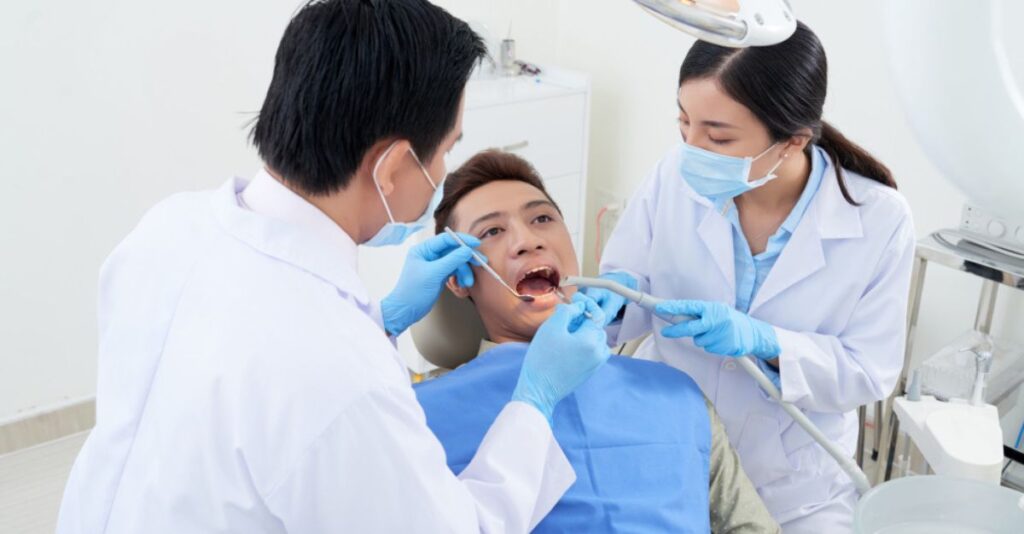
Losing a tooth can affect daily comfort, confidence, and eating habits. Many individuals considering dental implants often wonder how long recovery will take before they can return to normal routines.
A clear tooth implant process timeline helps set realistic expectations before starting treatment. Healing takes place gradually as the body adjusts to the implant and the surrounding tissues recover.
E L Lim Dental provides treatment at our implant dental clinic together with structured aftercare to support each stage of recovery. The following sections outline the healing stages and practical steps that can help individuals recover more smoothly after dental implant surgery.
What Happens After a Dental Implant Is Placed?
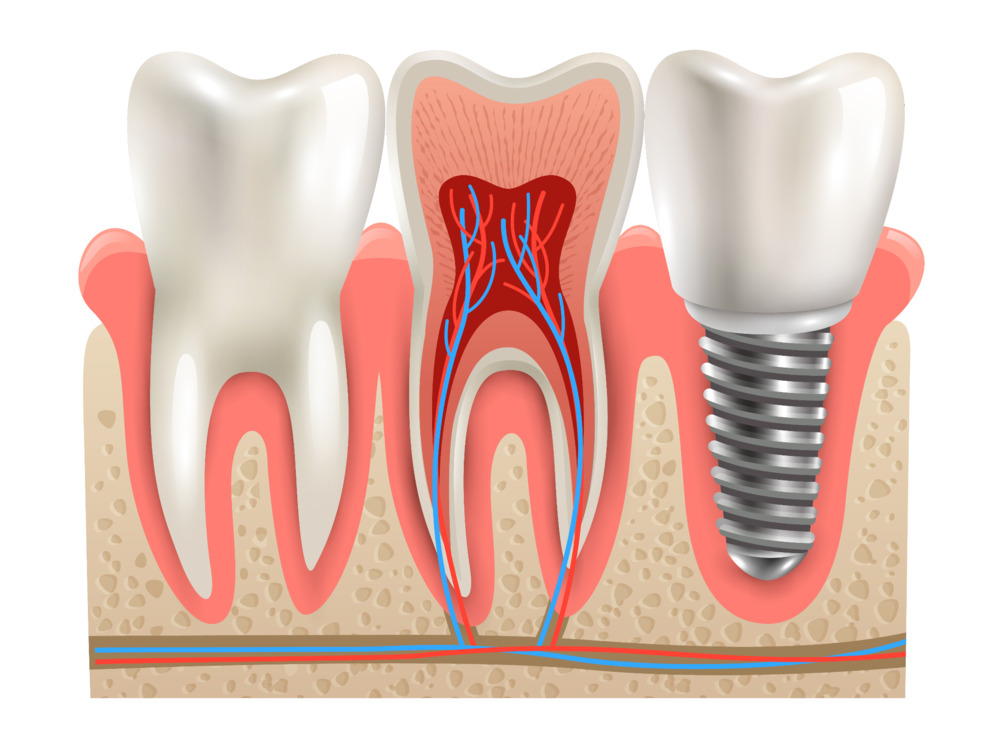
Dental implant treatment involves placing a small implant into the jawbone to replace the root of a missing tooth. After the procedure, the body begins a natural healing process as the surrounding tissue stabilises around the implant.
During this period, the implant gradually becomes secure within the jawbone. This process allows the implant to function as a stable foundation for the replacement tooth that will be placed later.
This also applies for those who are considering getting a dental implant full arch in Malaysia.
Although healing happens beneath the surface, regular monitoring helps ensure everything progresses smoothly.
Speak with the team at E L Lim Dental to discuss your dental implant treatment plan and receive personalised guidance on the expected healing and recovery process.
Dental Implant Healing Stages: What Happens During Recovery
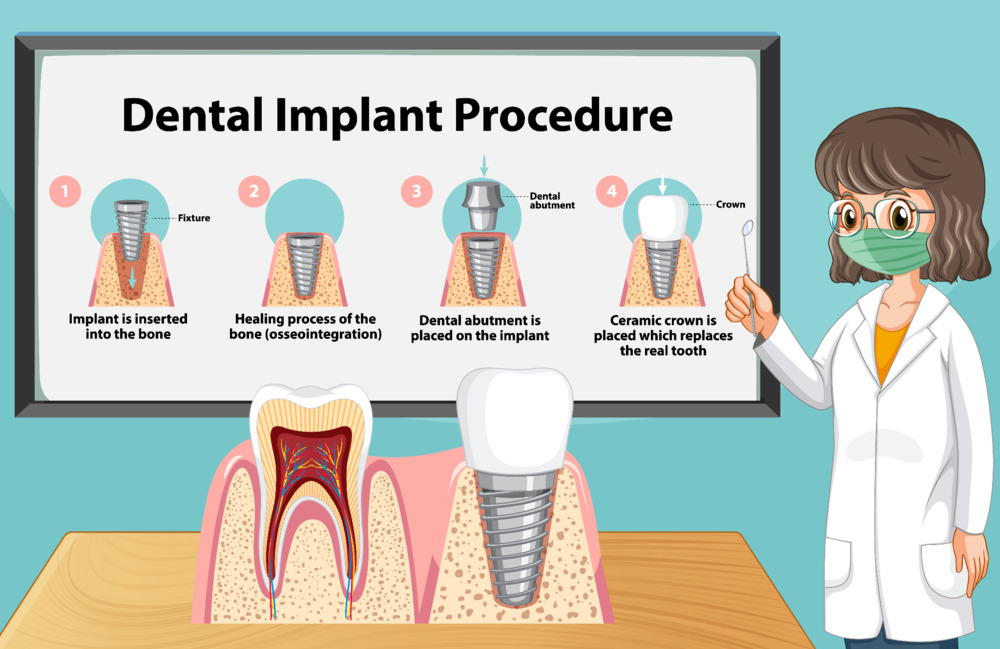
The body heals gradually through several dental implant healing stages, each playing a role in helping the implant become stable and ready to support a replacement tooth.
The following sections outline the phases many patients experience after dental implant treatment.
Stage 1: Early Healing in the First 24–72 Hours
The first few days after implant placement focus on allowing the surgical area to settle. Mild swelling or slight discomfort may occur as the body begins the early healing process.
Soft foods are usually recommended during this period, and pressure on the implant area should be avoided. Following the dentist’s aftercare instructions and keeping the mouth clean can help the area stabilise and support smoother recovery in the days ahead.
Stage 2: Week 1–2 After Implant Placement
During the second stage of healing, the gum tissue continues to recover around the implant site. Any swelling or discomfort from the procedure usually becomes much milder during this period.
In some cases, stitches may be removed during a follow-up visit. Many individuals are able to return to their normal daily routines while still being mindful of the implant area.
Regular dental checkups remain important at this stage, as they allow the dentist to check that the healing process is progressing well.
Stage 3: Month 1–3 After Implant Placement
During this stage, the implant continues to stabilise within the jawbone. Most individuals feel comfortable by this point, as the gum tissue has largely recovered from the procedure.
Although the healing process is not always visible, the jawbone is gradually adapting to the implant. This stage helps prepare the implant to support the final replacement tooth.
Individuals are usually advised to avoid placing excessive pressure on the implant area while the healing process continues.
Regular reviews allow the dentist to confirm that the implant remains stable before moving to the next stage of treatment.
Stage 4: Final Restoration
Once the implant has stabilised, the final stage focuses on restoring the visible tooth. A custom dental crown is placed onto the implant to complete the replacement.
The crown is designed to match the surrounding teeth in shape and colour, allowing the restored tooth to blend naturally with the rest of the smile. At this stage, individuals can usually return to normal chewing and daily routines with greater comfort.
With the final restoration in place, the dental implant can function like a natural tooth, supporting both appearance and everyday function.
Learn more about the dental implant cost in Malaysia to understand how different stages of the healing process may influence the overall treatment plan and expenses involved.
5 Factors That Can Affect Dental Implant Healing Time
Several factors may influence how quickly the implant area recovers and stabilises.
- General health condition: Overall health can influence how well the body heals after a surgical procedure.
- Smoking habits: Smoking may slow tissue healing and affect the recovery process around the implant site.
- Bone quality and density: Healthy jawbone helps support the implant and contributes to a more stable healing process.
- Oral hygiene routine: Keeping the mouth clean helps reduce irritation and supports healthy tissue recovery.
- Experience of the implant dentist: Proper treatment planning, placement, and monitoring by an experienced dentist can contribute to smoother healing.
How to Heal Faster After Dental Implant
These simple habits during the healing period can help support the recovery process and reduce unnecessary irritation around the implant site.
1. Follow post-surgery care instructions carefully
Guidance provided by the dentist helps protect the implant site during the early healing period.
2. Maintain good oral hygiene
Keeping the mouth clean helps prevent irritation around the surgical area.
3. Choose soft and nutritious foods
Gentle foods reduce pressure on the implant site while supporting overall recovery.
4. Avoid smoking during healing
Smoking may slow tissue recovery and affect the healing process.
5. Attend scheduled review appointments
Follow up visits allow the dentist to monitor healing progress and address any concerns early.
Contact E L Lim Dental today to explore dental implant treatment and receive personalised advice on the recovery journey.
When to Reach Out to Your Dentist During Implant Recovery

Certain symptoms may indicate that the implant area needs professional attention.
You should contact the clinic if you notice any of the following:
- Severe or worsening pain
- Persistent swelling and gum inflammation
- Fever or feeling unwell
- Implant feeling loose or unstable
Seeking prompt advice helps address concerns early and supports a smoother recovery process.
Why Patients Choose E L Lim Dental for Dental Implants
E L Lim Dental provides treatment for teeth implants supported by careful planning and attentive follow-up care. Patients receive clear recovery guidance and scheduled reviews to help ensure the implant heals well during each stage of the process.
The team focuses on providing consistent monitoring and personalised support so individuals feel more confident throughout their dental implant treatment.
Book a Dental Implant Consultation with E L Lim Dental
Dental implant treatment requires proper planning and professional guidance.
Speaking with an implant dentist at E L Lim Dental can help individuals understand their treatment options and receive personalised advice based on their oral condition.
Schedule a consultation with E L Lim Dental to evaluate the implant area and recommend treatment options along with the expected recovery process for your smile.
Frequently Asked Questions
The overall healing period can vary for each individual. In many cases, the implant may take several months to stabilise before the final crown is placed.
Healing occurs gradually after the implant is placed. The gum tissue first recovers, followed by a period where the implant becomes stable within the jawbone before the final tooth restoration is completed.
Mild swelling or slight discomfort may occur during the first few days after the procedure. This usually improves as the healing process progresses.
Soft foods are generally recommended during the early healing period. Individuals can slowly return to their usual diet once the implant area becomes more comfortable.
Following aftercare instructions, keeping the mouth clean, avoiding smoking, and attending follow up visits can help support a smoother recovery.
It is advisable to contact the clinic if there is severe pain, persistent swelling, fever, or if the implant feels loose during the healing process. Early assessment helps ensure proper recovery.

Dr Elaine Lim
https://drelainelim.com/Dr Elaine Lim is a dentist and educator with over 14 years of experience as dentist and 10 years as educator. She focuses on oral implantology, maxillary sinus grafting, hard and soft tissue augmentation, as well as fixed and removable prosthodontics